What I brought back from my first SAF conclave
Ekansh Sharma · Founder, HyGOAT
SAF · Certification · India
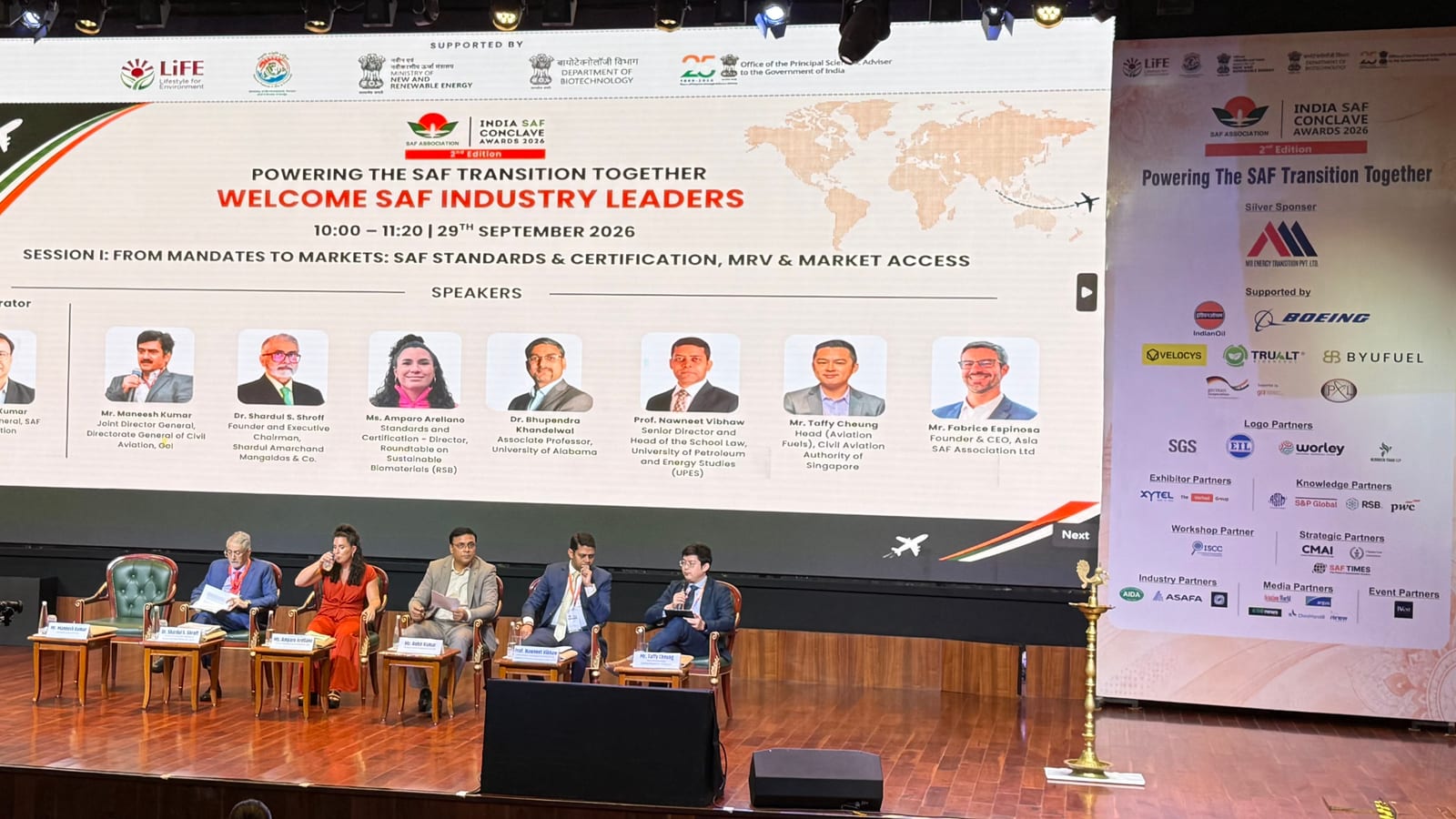
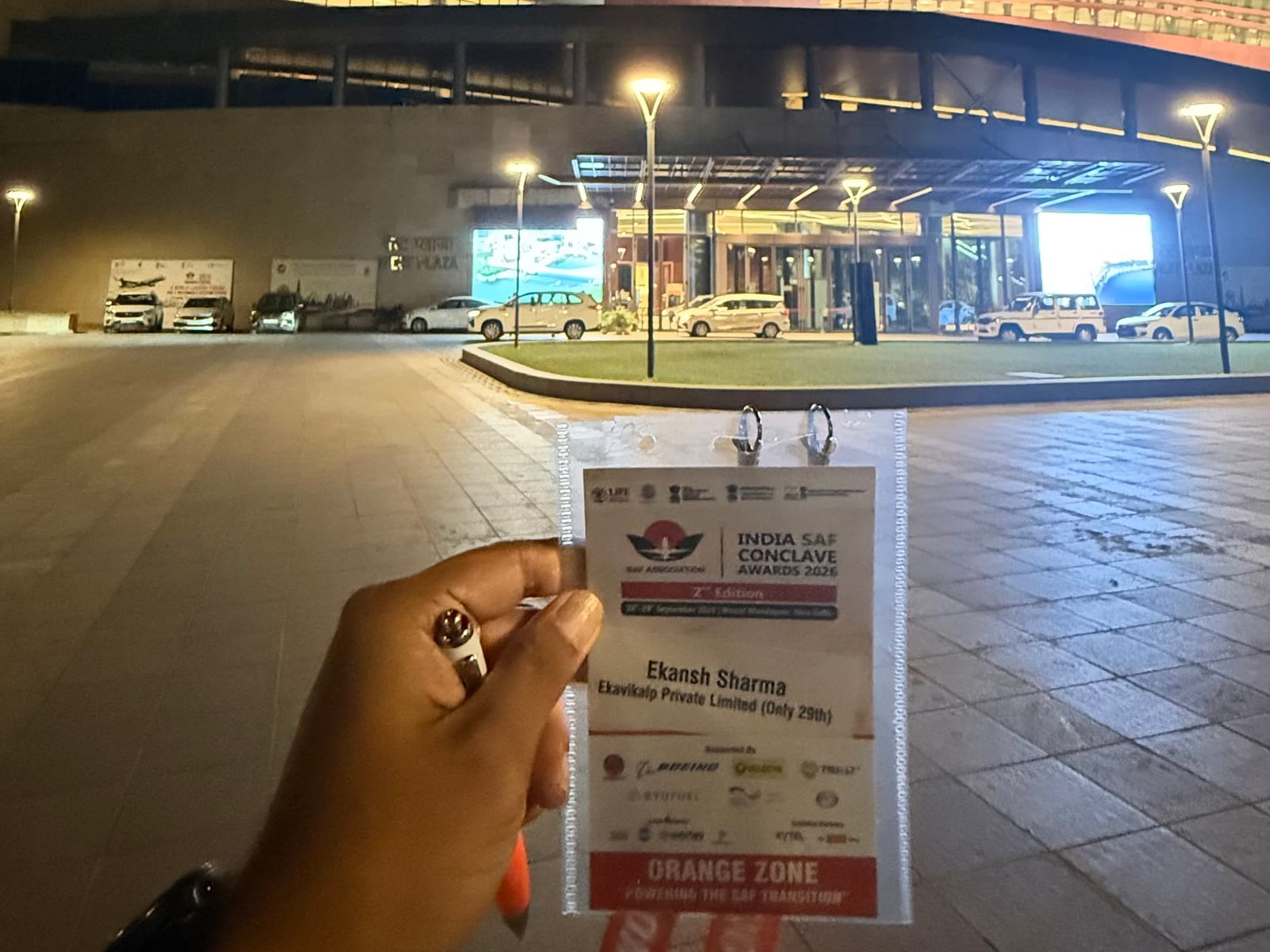
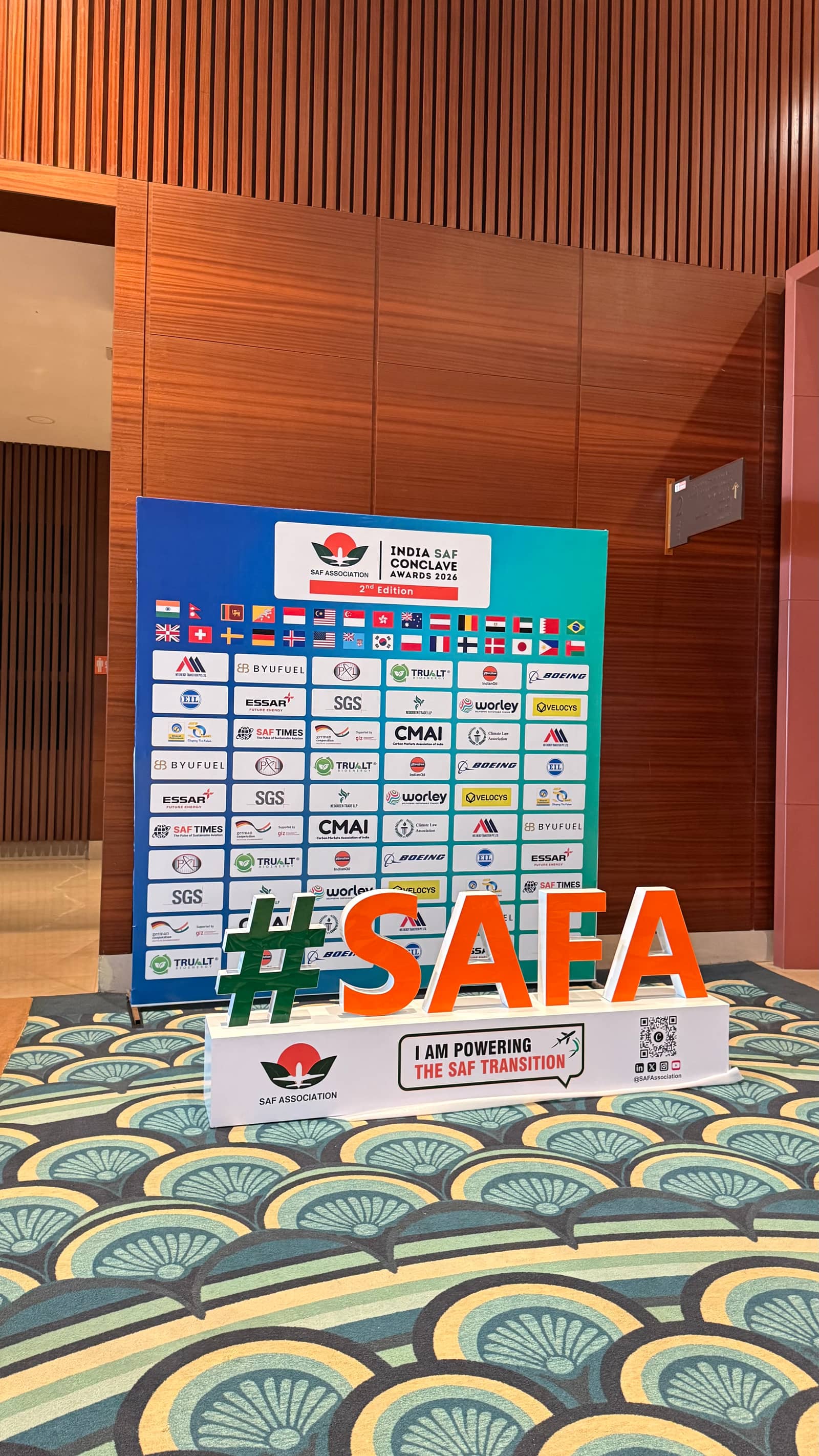
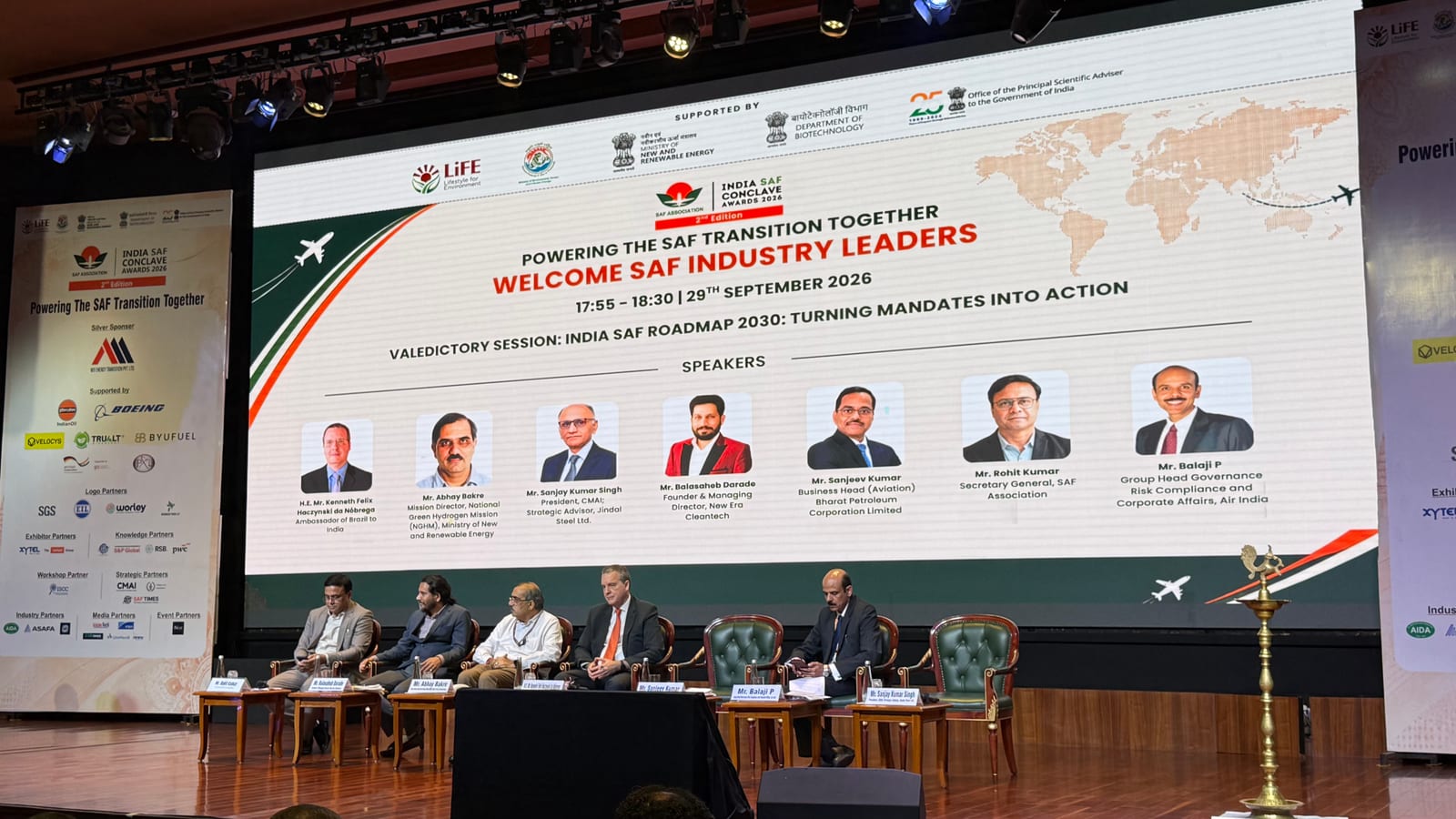
We attended the second day of the SAF Conclave, our first dedicated sustainable aviation fuel event, with a specific question: where could we contribute meaningfully to SAF development?
We arrived particularly interested in standards, certification and market access. Some sessions stayed broader than I'd hoped, but conversations between sessions made the visit worthwhile. They brought the discussion down to the decisions individual projects are facing.
One question in my notes was simple: what do we mean when we say SAF?
The term covers several production pathways. HEFA, alcohol-to-jet and Fischer–Tropsch involve different processes, inputs and supply chains. Even hearing "Fischer–Tropsch" doesn't tell you whether a project is making electricity-based or biomass-based fuel. Understanding the actual pathway matters before discussing its sustainability credentials or market eligibility. ICAO's pathway overview
That was an important learning for us. Our work has largely focused on renewable hydrogen and electricity-based fuels, but the conversations opened up questions about where hydrogen expertise can also contribute to biological routes.
For the electricity-based projects closest to our work, the chain starts with electricity and hydrogen, then extends through the carbon source, conversion process and final fuel. Each stage brings practical questions about sourcing, measurement and evidence.
Where will the electricity come from? What assumptions are being made about the carbon source? Which records will the plant generate? Who will hold the contracts and source documents? Can the operating data be traced back to the inputs used to produce the fuel?
These questions matter while a project is still being designed.
Many conversations were about projects at the conceptual or front-end engineering design stage. At that point, a change to a sourcing assumption or measurement arrangement may still be manageable. Once those choices are embedded in the plant, revisiting them can become more difficult.
The discussions also sharpened our understanding of certification. CORSIA and the EU's RFNBO requirements cannot simply be treated as interchangeable standards. The relevant requirements depend on the production pathway, intended market and claim being made. Qualifying bio-based SAF can serve the European market without being an RFNBO. European Commission guidance
Meeting people working across sustainability standards, consulting, project development and finance helped connect these pieces. RSB's work was particularly useful in understanding how projects can address readiness before they reach operation, while keeping advisory support and independent assessment clearly defined.
We also noticed a strong Singapore presence in the conversations we had. Discussions about feedstocks, trade and commercial development were a reminder that a technically promising pathway still needs a workable supply chain and a buyer.
Feedstock availability, for example, is more than a national resource estimate. For an individual project, the questions become much more specific: which material, from where, at what delivered cost, with what competing uses, and supported by which records?
For HyGOAT, the conclave helped make our immediate focus clearer: practical pre-certification support for project teams.
HyGOAT SCREEN supports early readiness assessments. Alongside that, our consulting work can help teams turn requirements into clear design questions, stated assumptions and evidence gaps. The aim is to make it easier to understand what is known, what still needs checking and what should be resolved before the next project decision.
There is plenty for us to learn as the SAF industry develops. The next step is to apply that learning to well-defined projects, with a clear pathway and intended market, and build our capabilities through useful work.
We left the conclave with a broader understanding of SAF and a more specific idea of where we can contribute.
Photographs from the conclave